Modern Firefighting Technology Is Transforming Fire Safety


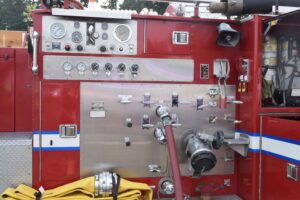
Modern firefighting technology has changed how fire crews prepare, respond, and recover from emergencies. In the past, firefighters mainly relied on experience, instinct, and basic tools. Today, technology supports every stage of the mission. Because of this shift, teams act faster and make better choices under pressure. As a result, communities gain stronger protection, and firefighters face fewer risks.
Technology continues to evolve, and fire departments adapt quickly. While tradition still matters, innovation now drives daily operations. Therefore, understanding these changes helps explain why modern firefighting looks very different from earlier eras.
Smarter Dispatch and Faster Response Times
Emergency response begins before a fire engine leaves the station. Modern firefighting technology improves dispatch systems through digital mapping and real-time data. These tools guide crews along the safest and quickest routes. Consequently, response times drop, and help arrives sooner.
At the same time, advanced communication systems keep teams connected. Dispatchers share updates as conditions change. Firefighters receive details about building layouts, traffic, and nearby hazards. Because information flows smoothly, crews avoid delays and confusion. Moreover, faster response often means smaller fires and fewer injuries.
Advanced Gear That Protects Firefighters
Firefighting remains dangerous, yet technology reduces many risks. Protective gear now uses lighter materials that resist heat and chemicals. This improvement allows firefighters to move more freely while staying safe. In addition, built-in sensors monitor body temperature and heart rate.
When gear detects danger, it alerts both the wearer and the command staff. Therefore, leaders can pull firefighters out before exhaustion or injury occurs. This proactive approach saves lives and builds trust within the team. As gear continues to improve, safety remains a top benefit of modern firefighting technology.
Thermal Imaging for Better Visibility
Smoke often hides flames and trapped victims. Thermal imaging cameras solve this problem by showing heat patterns through darkness and smoke. Firefighters can quickly locate people, fires, and structural threats. As a result, rescues happen faster and with greater accuracy.
These cameras also help crews check walls and ceilings for hidden fire. Therefore, teams prevent flare-ups that could cause harm later. Thermal imaging has become a standard tool because it improves awareness and confidence during intense situations.
Drones Expanding the View From Above
Aerial technology has added a new perspective to firefighting. Drones provide live views of large fires, wildland areas, and damaged structures. Because they fly above danger, they gather information without risking lives. Command teams use this data to plan safer strategies.
Drones also support search efforts after disasters. They scan broad areas and spot heat or movement. As a result, firefighters reach victims faster. This aerial support shows how modern firefighting technology extends human capability in powerful ways.
Data Driven Decision Making on the Fireground
Information plays a key role during emergencies. Modern firefighting technology collects and analyzes data from many sources. Weather updates, building materials, and fire behavior models guide real-time decisions. Therefore, leaders choose tactics that match current conditions.
Data also support training and prevention. Departments study past incidents to improve future responses. Because lessons come from real events, teams grow stronger over time. This learning cycle highlights how technology supports both action and planning.
Smart Buildings and Fire Prevention Systems
Fire safety starts long before flames appear. Smart buildings now include sensors that detect smoke, heat, and gas leaks early. These systems alert occupants and emergency services right away. Consequently, fires receive attention before they spread.
Modern firefighting technology also connects with building systems. Fire crews access digital floor plans and control systems on arrival. This access helps them navigate complex spaces and shut down hazards. Therefore, prevention and response work together more effectively.
Training Through Simulation and Virtual Reality
Training prepares firefighters for extreme conditions. Technology now offers realistic simulations that mimic real fires. Virtual reality places trainees inside challenging scenarios without real danger. As a result, they practice decision-making and teamwork safely.
These tools also allow repeated practice. Firefighters refine skills and learn from mistakes without risk. Therefore, confidence grows before facing real emergencies. Training technology ensures readiness while protecting health and resources.
Robotics Assisting in High Risk Situations
Robots support firefighters when conditions become too dangerous for humans. Ground robots enter unstable buildings and hazardous zones. They carry cameras, sensors, and tools that relay information back to crews. Because robots handle extreme risks, firefighters stay safer.
Robotic technology continues to advance. While it does not replace human judgment, it adds valuable support. This teamwork between humans and machines defines the future of firefighting.
Communication Technology Strengthening Teamwork
Clear communication saves lives during emergencies. Modern firefighting technology provides reliable radios and digital networks. These systems work even in harsh environments. As a result, teams coordinate movements and share updates instantly.
Improved communication also links agencies together. Firefighters, medical teams, and law enforcement work as one unit. Therefore, responses become smoother and more effective. Strong connections lead to better outcomes for everyone involved.
Environmental Awareness and Sustainable Practices
Fire departments now consider environmental impact alongside safety. Technology helps crews manage water use and reduce harmful runoff. Advanced foam systems limit damage to ecosystems. Consequently, firefighting protects both people and nature.
Monitoring tools also track air quality after fires. Communities receive guidance on safety and recovery. This awareness shows how modern firefighting technology supports long-term health and resilience.
The Human Element Enhanced by Technology
Despite all advances, firefighters remain at the heart of every response. Technology supports their skills rather than replacing them. By reducing uncertainty, tools allow firefighters to focus on judgment and compassion. Therefore, human strength and innovation work together.
As technology evolves, departments must balance training, cost, and ethics. However, the goal stays clear. Protect lives, property, and communities with the best tools available.
Looking Ahead at the Future of Firefighting
Modern firefighting technology will continue to grow and adapt. Artificial intelligence, more intelligent sensors, and better integration promise even safer operations. While challenges remain, progress shows no sign of slowing. Communities benefit when fire services embrace innovation. Firefighters gain support that helps them perform at their best. Together, technology and dedication shape a safer future for all.