Home Fire Prevention: Essential Safety Strategies to Protect Your Family Year-Round


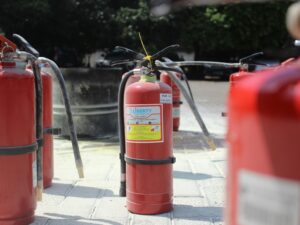
Home safety begins with preparation, and nothing deserves more attention than protecting your family from the danger of fire. A house fire can spread within minutes, leaving little time to react. However, many residential fires begin because of preventable mistakes rather than unavoidable accidents. Simple actions such as paying attention while cooking, maintaining electrical equipment, and testing smoke alarms can dramatically reduce the chance of a fire. Therefore, every homeowner should make Home Fire Prevention a daily priority instead of an occasional task.
Many people assume that fires happen only during the winter or around the holidays. In reality, fire hazards exist throughout every season. Cooking, electrical systems, heating equipment, candles, and outdoor activities all create risks when handled carelessly. Fortunately, families can lower these risks by building smart habits and following practical safety routines. Moreover, regular inspections and ongoing awareness provide lasting protection for both your loved ones and your property.
Understand Where Home Fires Begin
Every successful fire prevention plan starts with understanding the most common causes of residential fires. Cooking remains one of the leading reasons for house fires across the country. Unattended meals, overheated oil, and grease buildup can quickly create dangerous situations. Likewise, faulty electrical wiring and overloaded outlets increase the chance of sparks that may ignite nearby materials.
Heating equipment also contributes to many seasonal fires. Space heaters placed too close to furniture, curtains, or bedding create unnecessary danger. In addition, candles, fireplaces, and smoking materials require careful supervision because open flames can spread rapidly. When homeowners recognize these risks early, they make better decisions that protect everyone inside the home.
Awareness should become part of everyday life. Walk through your home regularly and look for anything that appears unsafe. Although many hazards seem small at first, they often grow into larger problems if ignored. Consequently, early detection remains one of the strongest defenses against residential fires.
Build Safe Cooking Habits
The kitchen serves as the heart of many homes, yet it also presents one of the highest fire risks. Most cooking fires begin because someone leaves food unattended. Therefore, stay in the kitchen whenever you fry, boil, or grill food. If you must leave, even briefly, turn off the heat whenever possible.
Keep towels, paper products, wooden utensils, and food packaging away from hot burners. Furthermore, clean your stovetop, oven, and range hood regularly, as grease buildup can become highly flammable over time. A clean kitchen not only looks better but also creates a much safer cooking environment.
Always keep pot handles turned inward to avoid accidental spills. Likewise, wear short or fitted sleeves while cooking because loose clothing can come into contact with open flames. These simple habits may seem minor, yet they significantly reduce the possibility of a kitchen fire.
Maintain Your Electrical System
Electricity powers nearly every room in the home, so keeping electrical systems in excellent condition supports overall safety. Inspect cords frequently for signs of damage, including cracks, exposed wires, or worn insulation. Replace damaged cords immediately instead of repairing them with tape.
Avoid plugging multiple high-powered appliances into one outlet or extension cord. Overloaded circuits create excessive heat that may eventually start a fire. Instead, distribute electrical loads across different outlets whenever possible. Additionally, use power strips with built-in surge protection to help safeguard valuable electronics.
Pay attention to warning signs such as flickering lights, buzzing outlets, or frequently tripped breakers. These issues often indicate underlying electrical problems that require professional attention. Addressing them early helps prevent dangerous situations from developing.
Use Heating Equipment Responsibly
Heating systems keep homes comfortable during cold weather, yet they demand careful use. Portable space heaters should remain several feet away from furniture, curtains, blankets, and other flammable materials. Moreover, place heaters on flat, stable surfaces to reduce the chance of tipping.
Turn off portable heaters whenever you leave the room or when you prepare to sleep. Although many newer models include automatic shutoff features, relying on those features alone is not enough. Safe operating habits provide the greatest protection.
Fireplaces also require routine maintenance. Schedule chimney inspections and cleanings before each heating season begins. Creosote buildup inside chimneys can ignite, causing dangerous chimney fires. Therefore, regular maintenance remains essential for safe fireplace operation.
Install Smoke Alarms in the Right Places
Smoke alarms provide one of the earliest warnings during a fire. Early detection allows families to leave the home before smoke and flames spread throughout the building. Install smoke alarms inside every bedroom, outside sleeping areas, and on every floor of the home.
Testing smoke alarms every month helps ensure they continue working properly. Replace batteries according to the manufacturer’s recommendations, or install long-life battery models that require less frequent maintenance. In addition, replace smoke alarms completely once they reach the end of their recommended lifespan.
Never remove batteries because of nuisance alarms caused by cooking. Instead, improve ventilation or relocate alarms, as appropriate, per safety guidelines if false alarms occur frequently. Reliable smoke detection remains one of the most valuable investments any homeowner can make.
Develop a Family Fire Escape Plan
Practice fire drills regularly so every family member knows what to do without hesitation. Children especially benefit from repeated practice because emergencies often create confusion and fear. Consequently, familiar routines help everyone stay calmer under pressure.
Teach family members to stay low if smoke fills a room, as cleaner air tends to remain closer to the floor. Also explain the importance of checking doors for heat before opening them. Most importantly, remind everyone never to return inside a burning building after escaping.
Preparation becomes even more valuable during an emergency. Every family should create a fire escape plan that everyone understands. Identify at least two exits in each room whenever possible, and choose an outdoor meeting place where everyone can gather safely after leaving the house.