Natural Disaster Preparedness Through Emergency Medicine


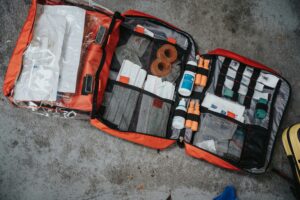
Natural disasters can change daily life within minutes. Floods can cut off roads. Hurricanes can damage hospitals. Wildfires can force entire neighborhoods to evacuate. Earthquakes can interrupt power, water, and transportation. When these events happen, people often need medical care at the same time that local health systems face serious pressure.
Emergency medicine plays a major role in disaster preparedness because it focuses on rapid action, clear decision-making, and patient safety. Emergency doctors, nurses, paramedics, and support teams prepare for situations in which demand may rise quickly. Their planning helps hospitals continue care even when normal routines break down.
Why Emergency Medicine Matters Before a Disaster
Emergency medicine does not begin when the disaster starts. Good preparation happens long before severe weather, fires, or earthquakes affect a community. Hospitals review local risks and prepare teams for the problems they are most likely to face. This may include large numbers of injured patients, power failures, blocked roads, or a shortage of supplies.
Medical teams also study how disasters affect people with ongoing health needs. Some patients depend on daily medication, oxygen, dialysis, or regular clinic visits. A natural disaster can interrupt those services. Emergency planning helps hospitals prepare for both new injuries and health problems caused by disrupted care.
Preparing Hospitals for Sudden Patient Surges
A natural disaster can send many people to the emergency department in a short time. Some patients may have serious injuries, while others may need help with minor wounds, breathing problems, or lost medications. Hospitals must ensure sufficient space and staffing to manage this sudden rise in demand.
Emergency teams often prepare extra treatment areas before a crisis happens. They also develop ways to move patients through the hospital more quickly. Stable patients may receive care in separate areas, while people with severe conditions stay close to advanced medical support. This approach helps the hospital use space and staff more effectively.
Training Medical Teams for Difficult Conditions
Training gives emergency staff the confidence to act quickly during stressful events. Hospitals often practice disaster situations so workers know what to do when normal systems fail. These exercises may include large patient surges, communication problems, power loss, or the need to move patients to safer areas.
Practice also helps teams find weaknesses in their plans. A drill may show that communication is too slow or that a treatment area is too small. Staff can correct these problems before a real emergency happens. Regular training makes responses smoother and helps everyone understand their roles.
Keeping Communication Clear During Emergencies
Clear communication can save time and prevent mistakes during a disaster. Emergency departments need to know which roads are open, where injured people are coming from, and which hospitals have available space. They also need updates from ambulance teams, public safety workers, and local officials.
Hospitals should prepare backup communication methods in case phones or internet service stop working. Radio systems and emergency contact procedures can help staff stay connected. Good communication allows medical teams to make better decisions and move patients to the right place without delay.
Protecting Access to Medical Supplies
Natural disasters can disrupt the delivery of medicine, oxygen, blood, bandages, and other essential supplies. Roads may close, warehouses may lose power, and normal delivery schedules may stop. Hospitals need enough emergency supplies to continue caring for patients while these problems are being fixed.
Emergency teams must also check stored supplies regularly. Medicine can expire, equipment can become outdated, and demand can change. Strong preparation means knowing what is available and what may run out first. Hospitals that manage supplies carefully are better prepared to handle long emergencies.
Supporting People With Ongoing Health Needs
Many people face health risks during disasters even if they are not injured. A person with diabetes may lose access to insulin. Someone with breathing problems may lose electricity needed for medical equipment. Patients who need dialysis may not be able to reach their usual treatment center.
Emergency medicine helps fill these gaps when normal healthcare services are not available. Hospitals can prepare plans for medication replacement, urgent treatment, and referrals to other care sites. This support can prevent a manageable condition from turning into a serious emergency.
Using Temporary Care Sites When Needed
Hospitals may become crowded or damaged during a disaster. In these cases, temporary care sites can help reduce pressure on emergency departments. Community centers, shelters, mobile clinics, and other safe locations may serve as short-term treatment areas.
Medical teams can use these sites to care for people with minor injuries or simple health needs. This keeps emergency rooms available for patients with severe conditions. Temporary care sites also help reach people who cannot travel far due to road damage or evacuation restrictions.
Working With Local Response Teams
Emergency medicine works best when hospitals cooperate with other local services. Ambulance crews, fire departments, police, public health teams, and emergency management workers all have important roles during a disaster. Hospitals need to share information with these groups so everyone can respond in a coordinated way.
Strong partnerships also improve patient transport. One hospital may be full while another has available beds. Roads may be blocked in certain areas. Local teams can share these details and help move patients safely. Planning these connections before a disaster makes the response faster and more organized.
Reducing Health Risks After the Main Event
Health problems often continue after the immediate danger passes. Floodwater can contain harmful bacteria. Smoke can affect breathing for days. Power loss can spoil food and medicine. Crowded shelters may also increase the spread of illness.
Emergency medical teams help identify and treat these problems early. They also work with public health experts to share safety information with the community. People may need advice about drinking water, wound care, smoke exposure, or medication storage. Clear guidance can prevent more health problems during recovery.
Learning From Each Disaster Response
Every disaster gives hospitals a chance to improve. After the crisis, emergency teams review what worked well and what caused problems. They may look at staffing, communication, supplies, patient movement, and treatment delays.
This review helps hospitals prepare better for the future. They can update plans, improve training, and strengthen partnerships with local agencies. Disaster preparedness is not a one-time task. It improves through regular practice, review, and change.
Building Stronger Communities Through Preparedness
Emergency medicine supports more than hospitals. It helps entire communities become safer and more prepared. When emergency teams plan well, they can provide faster care and reduce confusion during a crisis. This gives people a better chance of getting the help they need when normal services are under pressure.
Strong disaster preparedness depends on planning, training, communication, and teamwork. Emergency medicine brings these parts together in a practical way. By preparing before disasters happen, hospitals can protect more lives, support recovery, and help communities face future emergencies with greater confidence.