A Behind-the-Scenes Look at the Life of an Emergency Medicine Physician


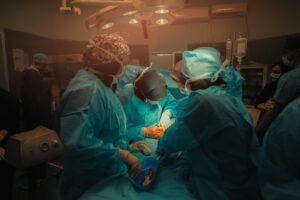
An emergency medicine physician begins each shift knowing that every moment can bring a new challenge. Unlike many healthcare professionals, these doctors work in an environment where unexpected situations happen every day. Patients may arrive with sudden injuries, severe illnesses, or urgent medical concerns that require immediate attention. Their ability to respond quickly and provide effective treatment makes them an important part of the healthcare system.
Before the emergency room becomes busy, the physician reviews important information about current patients and ongoing situations. They communicate with nurses, specialists, and support teams to understand the department’s needs. This preparation helps create a smooth workflow and allows the medical team to respond effectively when emergencies occur. Although each day brings different experiences, the goal remains the same: delivering high-quality emergency care.
The start of a shift requires both physical and mental readiness. Emergency medicine physicians must stay alert because conditions can change without warning. A patient who appears stable may suddenly require urgent treatment, while a serious situation may require immediate teamwork. This constant need for awareness makes emergency medicine a challenging but rewarding field.
In addition, physicians develop routines that help them manage pressure. They organize their priorities, review important updates, and prepare themselves for difficult decisions. This preparation allows them to remain calm and focused when patients depend on their expertise during critical moments.
Responding to Different Medical Emergencies
Throughout the day, an emergency medicine physician treats a wide variety of health conditions. Some patients may visit the emergency room because of accidents, infections, chest discomfort, breathing problems, or sudden health concerns. Others may require immediate support after experiencing serious injuries. Every case requires careful evaluation and a thoughtful approach.
The physician listens to patients, reviews symptoms, and examines their condition to understand what type of care they need. They use medical knowledge and experience to identify possible risks and determine the next steps. Quick decision-making is essential because early treatment can often improve recovery and patient outcomes.
Emergency medicine physicians must also manage multiple cases at the same time. A busy emergency department may have many patients waiting for care, each with different needs. Doctors must recognize which situations require immediate attention while ensuring that other patients continue receiving appropriate support.
However, emergency care is not only about making fast decisions. It is also about providing reassurance during stressful situations. Many patients feel scared when they enter an emergency room. A physician’s ability to explain procedures, answer questions, and provide comfort helps patients feel more confident during uncertain moments.
Making Quick Decisions Under Pressure
One of the most important skills of an emergency medicine physician is the ability to make decisions under pressure. Emergency situations often leave little time for hesitation. Physicians must collect information quickly, consider possible treatments, and choose the safest option for the patient.
This responsibility requires strong problem-solving skills and extensive medical training. Emergency medicine physicians learn how to analyze situations quickly while maintaining accuracy. Their decisions can affect a patient’s recovery, comfort, and overall health.
The emergency room environment can become extremely demanding. A sudden accident, public health emergency, or critical patient arrival can change the entire pace of a shift. During these moments, physicians rely on teamwork, experience, and communication to provide effective care.
Although pressure is a regular part of the job, emergency medicine physicians understand the importance of staying composed. A calm approach helps the entire healthcare team work more efficiently. It also creates a sense of trust for patients and families who need support during difficult situations.
The Power of Teamwork in Emergency Healthcare
Emergency medicine depends heavily on teamwork. A physician cannot provide complete care alone. Nurses, paramedics, technicians, specialists, and other healthcare professionals all contribute to patient treatment. Their combined efforts create a stronger and more effective emergency care system.
Communication plays a major role in successful teamwork. Emergency medicine physicians share updates, explain treatment plans, and coordinate actions with other healthcare workers. Clear communication helps reduce confusion and allows everyone to understand their responsibilities.
During a typical shift, physicians may work with many different professionals. They must build strong working relationships and trust their team members. This cooperation allows the emergency department to handle complex situations and provide better patient outcomes.
Beyond patient care, emergency medicine physicians often support the education of future healthcare professionals. They teach medical students and younger doctors by sharing real experiences from emergency situations. Their guidance helps prepare the next generation of physicians for the challenges of emergency medicine.
Supporting Patients During Difficult Moments
The role of an emergency medicine physician extends beyond medical treatment. These doctors often meet patients during some of the most stressful moments of their lives. A person entering an emergency room may feel worried, confused, or overwhelmed. Physicians provide guidance and support while delivering necessary medical care.
Showing compassion is an essential part of emergency medicine. Even during busy shifts, physicians understand the importance of treating every patient with respect. A simple explanation or supportive conversation can help reduce anxiety and create a more positive healthcare experience.
Emergency medicine physicians also work with families who may be experiencing fear and uncertainty. They communicate important information clearly and help loved ones understand the patient’s condition. This connection between medical care and emotional support makes their role especially meaningful.
Although emergency medicine can be emotionally challenging, many physicians find satisfaction in helping others. Saving lives, improving health, and supporting people during emergencies provide a strong sense of purpose. Their dedication allows communities to receive care when they need it most.
Learning and Growing Through Every Shift
Every shift provides new lessons for an emergency medicine physician. Because each patient presents a different situation, doctors continue developing their skills throughout their careers. These daily experiences improve their ability to handle emergencies and provide better healthcare services.
After treating patients, physicians often review their decisions and consider what they learned. Reflection helps them improve their approach and strengthen their medical judgment. Continuous learning is an important part of becoming a more effective emergency care provider.
Emergency medicine also requires physicians to stay updated with new medical research, technology, and treatment methods. Healthcare continues to evolve, and doctors must adapt to provide the best possible care. Their commitment to learning benefits both patients and the healthcare community.
Through experience, education, and teamwork, emergency medicine physicians continue growing professionally. Their dedication helps them handle complex situations while maintaining high standards of patient care.
Ending the Day With Responsibility and Purpose
When an emergency medicine physician finishes a shift, their responsibilities do not immediately disappear. They complete patient records, communicate important updates, and ensure that the next medical team understands ongoing cases. This process helps maintain safe and continuous care for patients.
Many physicians leave each shift carrying memories of the people they helped. Some moments may be challenging, while others may be deeply rewarding. These experiences remind them why they chose a career focused on emergency healthcare.
The life of an emergency medicine physician is filled with fast decisions, teamwork, and compassion. These professionals provide essential medical support during some of the most important moments in a person’s life. Their work requires dedication, skill, and a commitment to helping others.
Through emergency care, patient support, and medical expertise, emergency medicine physicians make a lasting impact. They stand ready to respond when people need immediate help. Their daily efforts strengthen healthcare systems and create safer communities for everyone.