How Firefighters Build Safer and Stronger Local Communities


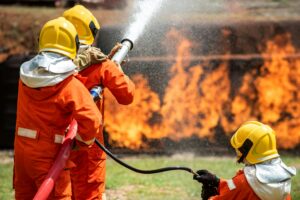
Firefighters play a vital role in keeping people safe every day. Most people connect them with burning buildings and emergency rescues. However, their responsibilities reach much further. They respond to medical emergencies, vehicle crashes, natural disasters, hazardous materials, and many other dangerous situations. At the same time, they educate families about safety and help neighborhoods prepare for emergencies. As a result, firefighters support both immediate safety and long-term community strength.
Firefighters’ work requires courage, skill, patience, and compassion. They must make fast choices when people face danger. Moreover, they often work in stressful environments where conditions can change without warning. Strong training helps them remain calm and take the right action. Through emergency response, education, prevention, and public service, firefighters build safer communities and create lasting connections with the people they protect.
Saving Lives During Fire Emergencies
Fighting fires remains one of firefighters’ most important duties. When a structure catches fire, conditions can become dangerous within minutes. Smoke can reduce visibility, while heat can make escape difficult. Therefore, firefighters must respond quickly. They search buildings for trapped people, control the fire, and help residents reach safe areas. At the same time, they watch for structural dangers that could threaten both victims and emergency crews.
Firefighters also rely on teamwork during every major fire. One crew may search the building while another works to control the flames. Meanwhile, other firefighters may secure water supplies, provide ventilation, or support rescue operations. Clear communication helps everyone understand changing conditions. As a result, organized teamwork improves safety and helps crews protect more lives and property.
Providing Critical Medical Assistance
Many firefighters also receive emergency medical training. In many communities, fire crews may arrive quickly when someone experiences a serious injury or sudden medical problem. As a result, firefighters can provide important care while additional medical professionals travel to the scene. They may perform CPR, control bleeding, assess injuries, or support a patient who has trouble breathing.
Medical calls also require strong communication and compassion. Patients may feel scared, confused, or unable to explain what happened. As a result, firefighters must stay calm while gathering useful information. They may also comfort family members while providing care. This combination of medical knowledge and human support makes firefighters an important part of local emergency services.
Responding to Vehicle Accidents
Traffic crashes can create complicated emergency scenes. Damaged vehicles may block roads, leak fuel, or trap passengers inside. Broken glass, unstable vehicles, and moving traffic can also increase the danger. Firefighters evaluate these risks before beginning rescue work. They may secure the scene, stabilize damaged vehicles, and create safe access to injured passengers.
When someone becomes trapped, firefighters may use specialized rescue tools to remove parts of a vehicle. However, they must work carefully because unnecessary movement can worsen certain injuries. Therefore, firefighters often coordinate closely with medical teams during the rescue. Their combined efforts can help victims receive treatment while crews safely remove them from damaged vehicles.
Preparing Communities for Natural Disasters
Severe storms, floods, hurricanes, tornadoes, earthquakes, and other disasters can affect many people at once. These events may damage homes, close roads, interrupt electricity, and leave residents trapped. Firefighters often provide essential support during these situations. For example, they may conduct searches, help with evacuations, provide emergency medical assistance, and identify dangerous areas.
Preparation also begins before disaster strikes. Fire departments may work with local agencies to create response plans and practice emergency procedures. Firefighters can also teach residents how to prepare basic supplies and understand evacuation instructions. Good planning reduces confusion during a crisis. As a result, communities can respond more effectively when severe weather or another major event creates widespread danger.
Protecting People From Hazardous Materials
Modern communities contain many materials that can become dangerous after an accident. Fuel, industrial chemicals, gases, and other substances may threaten public health if they leak or spill. Therefore, some firefighters receive special training for hazardous materials incidents. They learn how to identify risks, establish safe zones, and use protective equipment.
Firefighters may also evacuate nearby homes or businesses when a hazardous substance creates a serious threat. They can also work with environmental specialists, police departments, utility companies, and other agencies. Careful coordination helps control access to the affected area and limits exposure. As a result, trained firefighters can reduce the impact of hazardous incidents on people and the surrounding community.
Teaching Fire Prevention and Safety
Firefighters don’t wait for emergencies to help people. Prevention forms a major part of community safety. Fire departments often teach residents about smoke alarms, escape plans, cooking safety, electrical hazards, and safe heating practices. These lessons can help families identify risks before those risks develop into emergencies.
Children can especially benefit from fire safety education. Firefighters may visit schools and community programs to explain what children should do when they hear a smoke alarm or notice a fire. These visits can also help children feel comfortable around firefighters and emergency equipment. When families understand basic fire prevention, they can make safer decisions and respond more effectively during emergencies.
Supporting Safer Homes and Businesses
Fire departments may also help identify safety problems in homes, workplaces, and public buildings. Depending on local responsibilities, firefighters or fire inspectors can check emergency exits, alarms, fire extinguishers, and other safety systems. Finding a problem early gives property owners a chance to correct it before an emergency occurs.
Firefighters also benefit from learning about important buildings within their service areas. Knowing a building’s layout, entrances, water sources, and special hazards can improve emergency planning. Therefore, preparation helps crews make faster decisions when they arrive at an incident. Better knowledge can protect residents, workers, visitors, and firefighters themselves.