The Future of Emergency Care Through Advanced Medical Technology


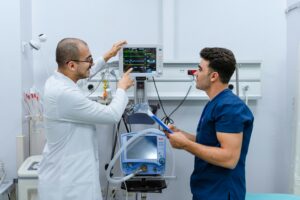
Emergency care is entering a new era as advanced medical technology transforms how providers diagnose, treat, and monitor patients during critical moments. Innovative technologies, such as artificial intelligence-powered triage systems, real-time patient monitoring devices, and cloud-connected diagnostic tools, are improving decision-making while reducing response times.
As innovation continues to expand, emergency services now rely on predictive analytics, wearable health sensors, and telemedicine platforms to extend care beyond traditional hospital settings. These advancements strengthen communication between first responders and emergency departments, enabling faster interventions and better outcomes.
Transforming Response Times with Smart Emergency Systems
Smart emergency systems are bringing unprecedented efficiency to first responders. Integrated sensors, automated alerts, and GPS-driven dispatch tools work together to shorten response times and guide teams directly to those in need. Because every moment matters, these systems help responders avoid delays and reach patients using the safest and fastest routes available.
Additionally, smart communication systems allow paramedics to send patient information to hospitals during transport. This early exchange helps emergency rooms prepare equipment, staff, and treatment plans before the patient arrives. The seamless transfer of data reduces chaos and creates a more coordinated response. As the influence of advanced medical technology grows, emergency care centers can operate with unmatched efficiency and readiness.
Enhancing Treatment Precision Through Robotic Assistance
Robotic assistance is reshaping emergency procedures by offering unmatched precision and stability. These systems support physicians during delicate interventions where steady movements and accurate measurements are essential. As robotics continues to evolve, it will help deliver treatments that were previously impossible in high-pressure settings.
Beyond procedural support, robotic devices also improve accessibility to care in remote or underserved areas. When paired with telemedicine, trained specialists can guide robotic tools from miles away and provide life-saving expertise that patients would otherwise not receive. As a result, advanced medical technology expands emergency capabilities and creates new opportunities to save lives across different environments.
Revolutionizing Emergency Monitoring with Wearable Technology
Wearable technology is redefining how emergency teams monitor patient health before, during, and after critical events. These compact devices continuously track heart rate, oxygen levels, and other vital metrics, sending real-time updates directly to healthcare providers. With constant access to accurate data, clinicians can detect complications earlier and intervene sooner.
Moreover, wearables empower individuals to take a more active role in managing their own health. When emergency conditions arise, the stored data helps responders understand what happened in the moments before assistance arrived. This information becomes a powerful tool that guides treatment plans and reduces uncertainty. With wearable devices becoming more common, advanced medical technology strengthens the connection between patients and providers, improving outcomes across the emergency care landscape.
Reinventing Emergency Diagnostics with Intelligent Tools
Modern diagnostics are becoming faster and far more precise through the use of smart devices and advanced digital systems. These technologies streamline the identification of life-threatening conditions by analyzing symptoms, imaging, and vital signs within seconds. Because time plays a crucial role in patient outcomes, advanced diagnostic platforms reduce delays and help teams respond with greater confidence, with artificial intelligence strengthening accuracy and clinical decision-making at the final stage.
Furthermore, intelligent diagnostic tools strengthen collaboration between emergency departments and specialists. Since digital platforms share data instantly, medical teams can make informed decisions even before a patient arrives at the hospital. This level of coordination supports early intervention, which often improves survival rates. As advanced medical technology expands its role in emergency diagnostics, care teams gain reliable support that enhances both speed and precision.
Improving Patient Outcomes with Predictive Analytics
Predictive analytics is becoming a cornerstone of modern emergency care, enabling the anticipation of complications before they occur. By analyzing patterns from large datasets, predictive systems identify risks such as cardiac arrest, respiratory failure, or sepsis. As a result, emergency teams can act quickly and prevent conditions from escalating. This proactive model significantly reduces the chances of severe outcomes, especially in time-sensitive situations.
Furthermore, predictive analytics supports resource planning within emergency departments. When hospitals anticipate potential surges in demand, they can prepare staff, equipment, and treatment areas in advance. This preparation leads to smoother operations and faster patient processing during high-volume events. As advanced medical technology evolves, predictive insights will continue to guide emergency care systems toward efficiency, stability, and improved patient safety.
Expanding Access Through Telemedicine and Remote Emergency Support
Telemedicine is transforming how emergency care reaches people in both rural and urban environments. Since video consultations and digital assessments provide immediate guidance, individuals experiencing urgent symptoms can receive expert advice without delay. This instant access often prevents complications and reduces unnecessary travel to emergency rooms.
Remote support also empowers first responders who may encounter situations requiring advanced expertise. Through live communication with physicians, paramedics can perform complex procedures with confidence. This level of collaboration ensures that patients receive the best possible care long before they arrive at a hospital. Because advanced medical technology continues to expand the reach of telemedicine, emergency care will become more inclusive, accessible, and reliable.
Strengthening Emergency Preparedness Through Data Integration
Data integration plays a crucial role in building efficient and resilient emergency systems. When hospitals, dispatch centers, and medical devices share information seamlessly, the entire emergency process becomes faster and more coordinated. Integrated platforms also help eliminate errors caused by fragmented data or missing records. With clean and consistent information, emergency teams can move quickly and avoid unnecessary delays.
Additionally, integrated data supports long-term planning for public health and community safety. Insights from emergency trends help organizations prepare for seasonal illness spikes, natural disasters, and regional staffing and supply shortages. Since preparation reduces stress on emergency departments, communities benefit from stronger and more dependable care networks. As advanced medical technology continues to improve data coordination, emergency preparedness will reach new levels of reliability and effectiveness.