From Hand Tools to Smart Systems: How Modern Firefighting Technology Continues to Transform Emergency Response


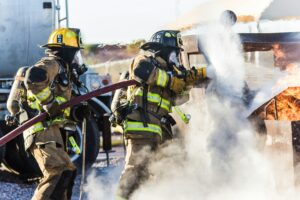
Firefighting has changed dramatically over the centuries. Early firefighters relied on simple buckets, ladders, and manual pumps to battle dangerous blazes. These methods required enormous physical effort and often exposed responders to extreme risks. Despite limited resources, firefighters developed techniques that laid the foundation for modern emergency response.
As communities expanded and buildings became more complex, the need for better equipment increased. Innovations in engineering and communication helped fire departments improve their ability to protect lives and property. Today, advanced technology supports firefighters in ways that previous generations could hardly imagine.
The Rise of Protective Gear and Safety Standards
Protective clothing has become one of the most important developments in firefighting. Modern turnout gear is designed to withstand intense heat while allowing firefighters to move efficiently. Helmets, gloves, boots, and face shields offer multiple layers of protection against flames, debris, and hazardous materials.
Breathing apparatus systems have also transformed firefighter safety. Self-contained breathing apparatuses allow responders to enter smoke-filled environments without inhaling hazardous gases. Improved safety standards and regular equipment testing ensure that firefighters can perform their duties with greater confidence and reduced risk.
Advancements in materials have further enhanced protective gear. Lightweight fabrics and heat-resistant technologies provide comfort without sacrificing durability. These improvements help firefighters maintain endurance during long and demanding operations.
How Fire Engines Have Become More Advanced
Fire engines have evolved from horse-drawn wagons into highly specialized emergency vehicles. Modern fire trucks are equipped with powerful pumps, water tanks, aerial ladders, and advanced lighting systems. These features enable firefighters to respond quickly and efficiently in various situations.
Computerized controls and navigation systems have made emergency operations more effective. Drivers can access real-time information and choose the fastest routes to incidents. Improved vehicle design also allows departments to transport additional tools and rescue equipment.
Specialized vehicles now serve unique purposes. Some units are designed for hazardous material incidents, while others focus on rescue operations or wildland firefighting. This diversity allows emergency services to address a wide range of challenges.
The Impact of Communication Technology
Reliable communication is essential during emergencies. In the past, firefighters depended on basic signals and limited radio systems. Modern departments use digital radios, satellite communication, and integrated dispatch centers to coordinate operations more effectively.
Advanced communication systems allow responders to share information instantly. Incident commanders can monitor conditions and direct personnel with greater accuracy. This level of coordination improves efficiency and reduces confusion during critical situations.
Mobile technology has also enhanced emergency response. Tablets and portable devices provide access to building layouts, hazardous material databases, and weather information. These tools support faster decision-making and better situational awareness.
Thermal Imaging and Detection Systems
One of the most significant breakthroughs in firefighting technology is thermal imaging. Thermal cameras help firefighters locate victims, identify hidden hotspots, and navigate smoke-filled structures. These devices improve visibility when normal sight is severely limited.
Modern detection systems also play a vital role in emergency response. Gas monitors and environmental sensors provide valuable information about hazardous conditions. By identifying threats early, firefighters can make safer decisions and protect both responders and civilians.
Continuous improvements in sensor technology have increased accuracy and reliability. Smaller and more efficient devices are becoming standard equipment for many departments around the world.
Drones and Robotics in Emergency Operations
Unmanned aerial vehicles have introduced new capabilities to firefighting. Drones provide aerial views of incidents, allowing commanders to assess conditions without placing personnel in unnecessary danger. They are especially useful during wildfires, large industrial fires, and search-and-rescue missions.
Robotic systems are also becoming more common. Some machines are capable of entering hazardous environments where human access would be extremely dangerous. These devices can withstand intense heat and operate in unstable structures.
As technology continues to advance, robotics will likely play an even greater role in emergency response. Their ability to gather information and perform high-risk tasks enhances overall safety and effectiveness.
Artificial Intelligence and Data-Driven Response
Artificial intelligence is beginning to influence the future of firefighting. Predictive analytics can help departments identify areas with increased fire risk and allocate resources more efficiently. Data analysis also supports training programs and operational planning.
Smart sensors and connected devices contribute to faster fire detection. Buildings equipped with intelligent monitoring systems can alert emergency services immediately, reducing response times and limiting damage.
Artificial intelligence is also improving emergency communication and resource management. These innovations help departments operate more efficiently while providing better protection for communities.
Looking Ahead to the Future of Firefighting
The future of firefighting will likely involve even greater integration of technology. Wearable devices, autonomous systems, and enhanced communication networks will continue to improve safety and performance. Researchers are exploring new materials and innovative solutions that could further transform emergency response.
Climate change and urban growth present new challenges for fire departments around the world. Advanced technology will play a crucial role in addressing these evolving threats. Continued investment in equipment, training, and innovation will ensure that firefighters remain prepared for the demands of the future.
The evolution of firefighting equipment demonstrates how technology and human dedication work together to save lives. From simple hand tools to intelligent systems, each advancement has strengthened firefighters’ ability to respond effectively and protect communities. As innovation continues, the profession will remain at the forefront of emergency preparedness and public safety.