From Buckets to Smart Rescue Systems: The Transformation of Firefighting Equipment and Technology


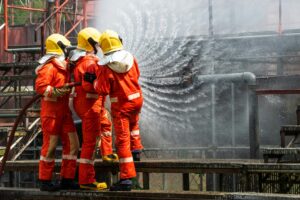
Firefighting has existed for centuries, but the tools used in the earliest days were simple and limited. Before modern technology, communities relied on basic methods such as buckets of water, hand pumps, and manual ladders to control fires. Citizens often formed bucket brigades, passing water from wells or rivers to burning buildings in a desperate attempt to stop flames from spreading.
These early efforts were slow and dangerous. Without protective clothing or breathing equipment, firefighters faced extreme heat, smoke inhalation, and structural collapse with little defense. Wooden buildings and crowded towns made fires even more destructive, often causing widespread devastation.
As cities grew and industrialization increased, the need for stronger firefighting systems became more urgent. This demand pushed innovation and led to the first major advancements in firefighting equipment.
The Introduction of Fire Engines and Water Pumps
One of the most significant developments in firefighting history was the invention of mechanical fire engines. Early fire engines used hand-operated pumps, allowing firefighters to spray water more effectively than with bucket lines. These machines improved response speed and gave teams more control over fire suppression.
Later, steam-powered fire engines revolutionized the profession. They produced stronger water pressure and could deliver larger volumes of water over greater distances. This advancement greatly improved the ability to fight large urban fires.
Eventually, motorized fire trucks replaced steam engines, making transportation faster and more reliable. Firefighters could now carry hoses, ladders, rescue tools, and medical supplies directly to emergency scenes. Modern fire engines have become mobile command centers capable of handling multiple emergency tasks simultaneously.
These vehicles marked a turning point, transforming firefighting from a manual struggle into a coordinated emergency service.
Protective Gear That Changed Survival Rates
In the past, firefighters wore little more than heavy coats and basic helmets. These offered minimal protection against flames, heat, and falling debris. As understanding of fire behavior improved, protective equipment became more advanced.
Modern turnout gear is designed using heat-resistant materials that shield firefighters from high temperatures while allowing flexibility and movement. Helmets are stronger and better-fitting, protecting against impacts and falling objects. Gloves and boots provide insulation while maintaining grip and mobility.
Perhaps the most life-saving innovation has been the self-contained breathing apparatus, commonly known as SCBA. This equipment allows firefighters to breathe clean air in smoke-filled or toxic environments. Before SCBA systems, smoke inhalation was one of the greatest dangers during indoor fires.
Thermal protection and respiratory safety have dramatically reduced injuries and deaths among firefighters, allowing them to work longer and more effectively in dangerous conditions.
Communication Technology in Emergency Response
Fast communication is essential during fire emergencies, and technology has greatly improved how firefighters coordinate operations. In earlier times, alarms were delivered by bells, whistles, or messengers running through the streets. Response times were often delayed, especially in larger cities.
The invention of telephones and radio systems changed everything. Dispatch centers could now alert fire stations instantly, and firefighters could communicate with command teams while on the move.
Today, advanced radio networks allow seamless coordination between firefighters, police, medical teams, and disaster response units. GPS systems help locate incidents faster and improve route planning during emergencies.
Digital mapping tools provide information about building layouts, hydrant locations, and hazardous material storage before firefighters even arrive at the scene. This preparation improves safety and speeds up decision-making under pressure.
Technology has made firefighting not only faster but also far more strategic.
Advanced Detection and Monitoring Systems
Modern firefighting relies heavily on technology that helps identify danger before it becomes visible. Thermal imaging cameras are one of the most valuable tools in today’s fire service. These devices detect heat through smoke, walls, and darkness, helping firefighters locate hidden flames, trapped victims, and dangerous hot spots.
Gas detectors are used to identify toxic chemicals, carbon monoxide, and explosive environments. These tools are especially important in industrial fires or hazardous material incidents.
Drones have also become valuable in wildfire management and large rescue operations. They provide aerial views of fire spread, structural damage, and inaccessible areas without placing firefighters in immediate danger.
Building alarm systems, smoke detectors, and sprinkler technology have also improved prevention and early response. In many cases, these systems stop disasters before firefighters even arrive.
Detection technology saves both civilian lives and firefighter lives by reducing uncertainty in dangerous environments.
Rescue Equipment for More Than Fires
Modern firefighters respond to much more than fires, and their equipment reflects this expanded role. Vehicle accidents, building collapses, floods, and medical emergencies require specialized rescue tools.
Hydraulic rescue tools, often called the jaws of life, are used to cut through metal and free people trapped in crashed vehicles. Rope rescue systems help firefighters perform high-angle rescues from cliffs, towers, and tall buildings.
Water rescue equipment supports operations during floods and drowning incidents. Firefighters use inflatable boats, flotation devices, and underwater communication tools to protect victims and rescuers alike.
Medical response kits now include defibrillators, oxygen systems, trauma supplies, and advanced life support tools. In many emergencies, firefighters provide medical treatment before ambulance teams arrive.
This shift shows how firefighting has evolved into a complete emergency response profession rather than a service focused only on flames.
Smart Firefighting and the Future of Innovation
The future of firefighting is being shaped by smart technology and artificial intelligence. Wearable sensors are being developed to monitor firefighters’ heart rate, body temperature, and air supply in real time. These tools improve safety by warning command teams when a firefighter is in danger.
Robotics is also entering the field. Fire-resistant robots can enter burning structures, chemical spills, or unstable buildings where human entry would be too risky. These machines can gather information, search for victims, and even assist with fire suppression.
Artificial intelligence helps predict wildfire spread by analyzing weather, wind patterns, and vegetation conditions. This allows emergency teams to prepare earlier and allocate resources more effectively.
Smart buildings connected to fire departments may soon provide automatic updates about fire locations, blocked exits, and occupant movement during emergencies.
These innovations show that firefighting will continue to become safer, faster, and more efficient.
Honoring Progress While Facing New Challenges
Despite incredible technological progress, firefighting remains one of the most demanding professions in the world. Climate change has increased the severity of wildfires, urban growth creates new rescue challenges, and hazardous materials continue to threaten public safety.
Technology supports firefighters, but it cannot replace courage, training, and human judgment. The tools may change, but the mission remains the same: protecting lives and preserving communities.
From wooden buckets to advanced rescue robots, the journey of firefighting equipment reflects humanity’s constant effort to improve survival and safety. Each innovation represents lessons learned from past disasters and a stronger commitment to facing future emergencies.
The evolution of firefighting technology is not only a story of machines but also a story of resilience, service, and the relentless drive to save lives when danger strikes.